ncAA Database
Displaying 51 - 64 of 64 results
| ncAA Name | ncAA Structure | ncAA Utility | Moderation State |
|---|---|---|---|
| phosphoserine | 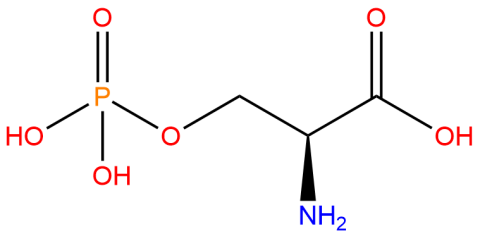
|
Used to produce proteins site-specifically phosphorylated at serine residues, typically at positions where phosphoserine naturally occurs as a post-translational modification | Published: Fully Reviewed |
| phosphothreonine | 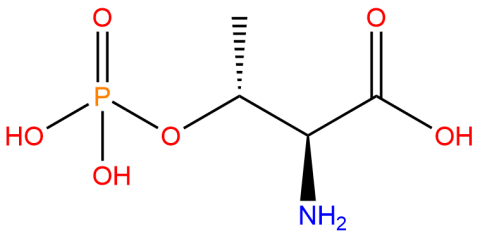
|
Used to produce site-specifically phosphorylated proteins at a threonine residue via genetic code expansion. | Published: Fully Reviewed |
| phosphotyrosine | 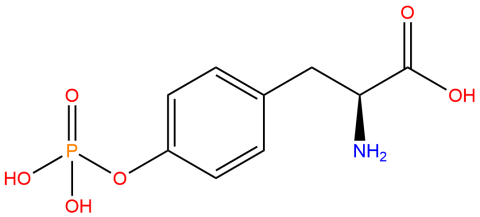
|
Used to produce site-specifically phosphorylated proteins at a tyrosine residue via genetic code expansion versus other protein phosphorylation strategies. | Published: Under Review |
| PlocLys | 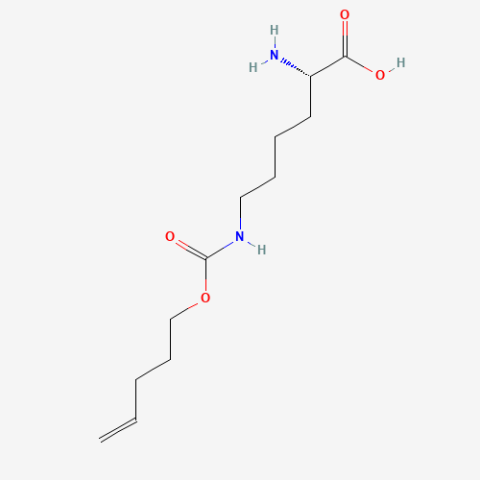
|
Reactive handle for thiol-ene reaction | Published: Fully Reviewed |
| pNO2ZLys | 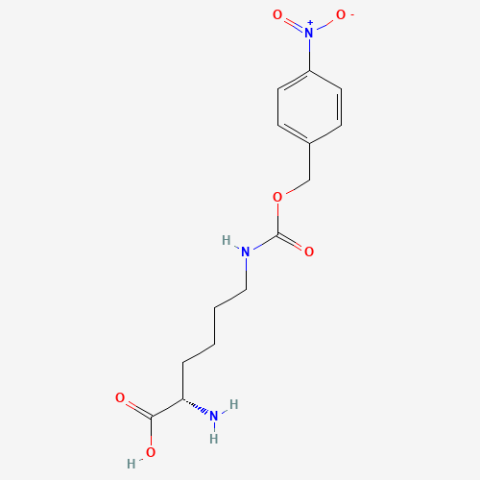
|
Photo-cross-linking agent, but no tests were done on this ncAA in the founding paper. Crosslinking experiments were only done with TmdZLys | Published: Fully Reviewed |
| propargylglycine | 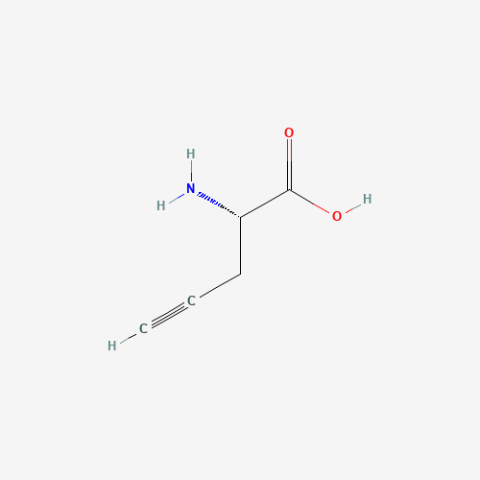
|
copper-catalyzed alkyne-azide click chemistry (CuACC) can be used for time-resolved, cell-selective proteomic analyses | Published: Fully Reviewed |
| S-Allylcysteine | 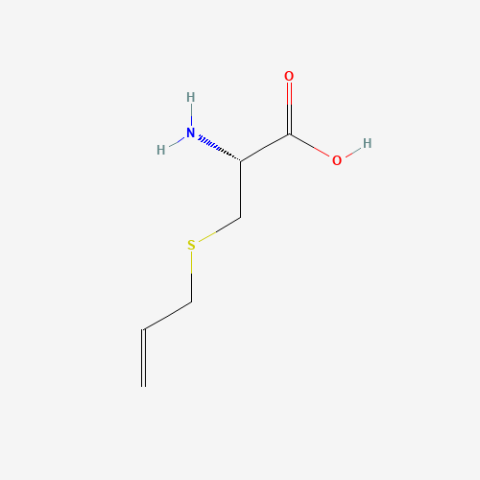
|
Reactive cross-metathesis substrate | Published: Under Review |
| S-Allylcysteine sulfoxide | 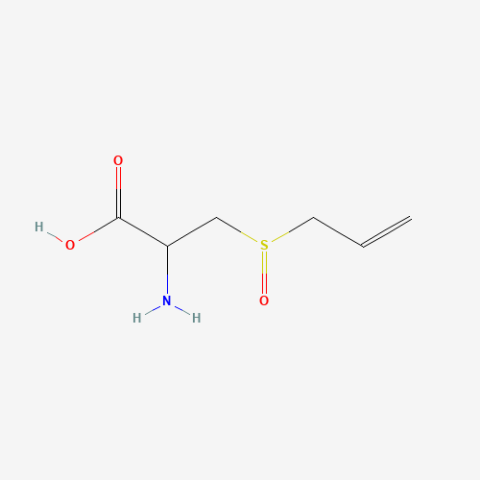
|
Precursor to allicin | Published: Under Review |
| SCO-L-Lysine | 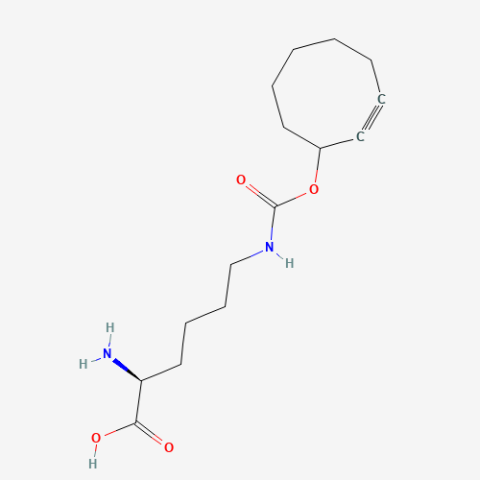
|
Click chemistry reactions with azides (SPAAC - strain-promoted azide–alkyne cycloaddition) and tetrazines (SPIEDAC - strain promoted inverse electron demand Diles-Alder cycloaddition) | Published: Fully Reviewed |
| sulfo-L-tyrosine | 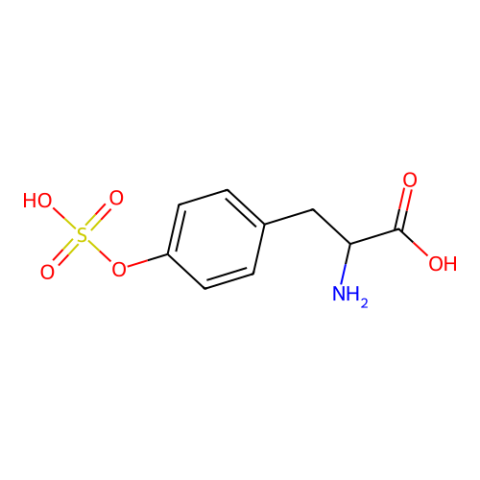
|
Labelling of muscles (global) Dipeptide (DanAla-‐Ala) required for uptake and bioavailability |
Published: Under Review |
| Tet2-Et | 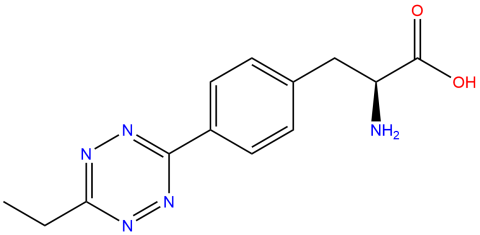
|
An amino acid that contains a 1,2,4,5-tetrazine-ethyl group that can be used for bioorthogonal, click-chemistry reactions (bioconjugation) when reacted with trans-cyclooctenes (TCOs) which can themselves be bound to various moieties such as PEG linkers, fluorophores, spin labels, etc.. These click reactions require no catalysts and can be carried out either in vivo or in vitro. Also, when reacted with strained TCOs (sTCOs), the reaction rates are extremely fast, achieving second order rate constants in excess of 10,000 per molar per second. | Published: Under Review |
| Tet3-butyl | 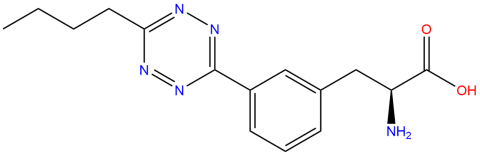
|
An amino acid that contains a 1,2,4,5-tetrazine-butyl group that can be used for bioorthogonal, click-chemistry reactions (bioconjugation) when reacted with strained trans-cyclooctenes (which can themselves be bound to various moieties such as PEG linkers, fluorophores, spin labels, etc.) either in vivo for eukaryotic systems or in vitro. | Published: Under Review |
| TmdZLys | 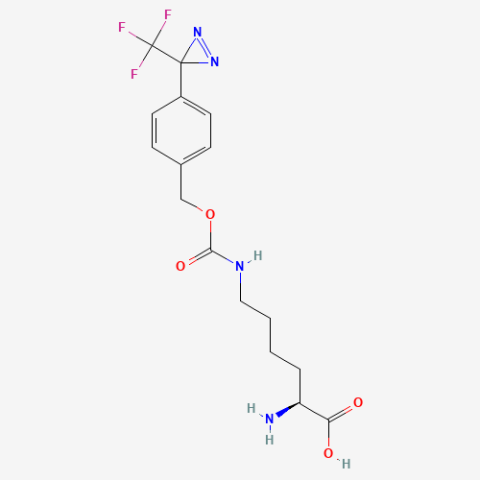
|
Photo-cross-linking agent, and head to head comparison with Bpa and TmdPhe showed that TmdZLys led to successful crosslinking from more positions including those further apart, up to 15 Å. Tests were done with the GRB2 protein crosslinking with both the EGF receptor and the SHC receptor protein. | Published: Fully Reviewed |
| trifluoromethyl-L phenylalanine | 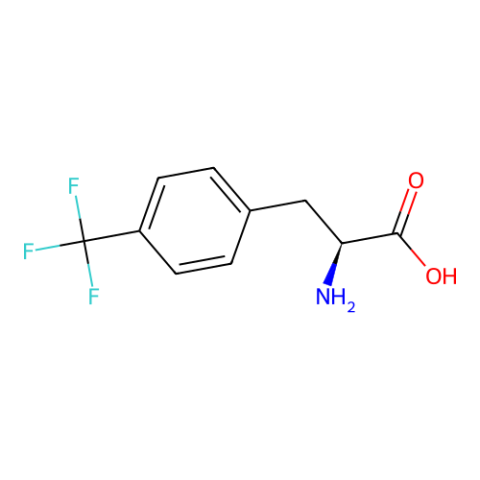
|
19F Probe for protein NMR |
Published: Under Review |